Angielski (ENG)
  Polski (PL)
#WEuropeans
What does it mean to be European? How do the European institutions work? What are the EU values? These questions and many more were risen during the #WEuropeans Erasmus+ youth exchange, organized by our Hungarian partner Foundation for the Youth of Balatonalmádi.

Advanced Planning Visit for the youth exchange took place in the second half of October. Representatives of the partner organizations met together to discuss the organizational issues related to the youth exchange. There was also some time to see places which were later visited during the youth exchange.
You can check the video presenting APV here:
You can check the video presenting APV here:
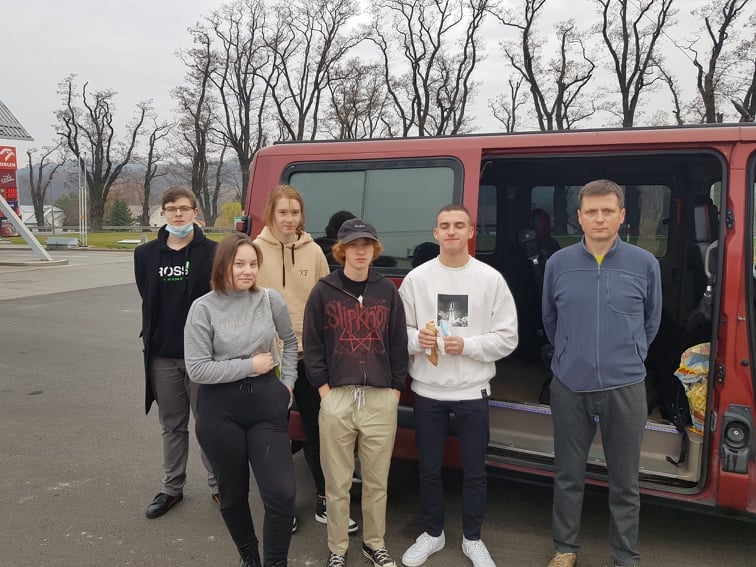
Polish participants were students from our partner school C.K. Norwid Secondary School in Krasnystaw. They went to Hungary together with their theacher Mr. Piotr Bartoszek who was a group leader.
They came to Balatonalmádi curious and ready for the new adventures.
First day of the youth exchange was devoted to integration activities as well as activities that helped to build a team. Participants could get to know each other thanks to discussions, games, and even drawing each other’s portraits.
They also had uneasy task to help others to go over the rope which was hanging between the trees. Without cooperation it wouldn’t be possible so it was really good teambuilding activity for everyone.
They also had uneasy task to help others to go over the rope which was hanging between the trees. Without cooperation it wouldn’t be possible so it was really good teambuilding activity for everyone.


On the next days activities focused more on the main topic of this youth exchange which is European Union. Participants had the opportunity to examine their knowledge about the history of the EU and the work of the institutions such as European Commission or European Parliament. They also talked about the impact of social media on the EU.


There were also activities connected with our countries and how we perceive them. Participants were trying to answer the question what are the symbols of their countries and do they reflect the reality.
In the evenings there was more informal point of the program where people could share traditions from their countries and taste typical food they brought with themselves.
In the evenings there was more informal point of the program where people could share traditions from their countries and taste typical food they brought with themselves.
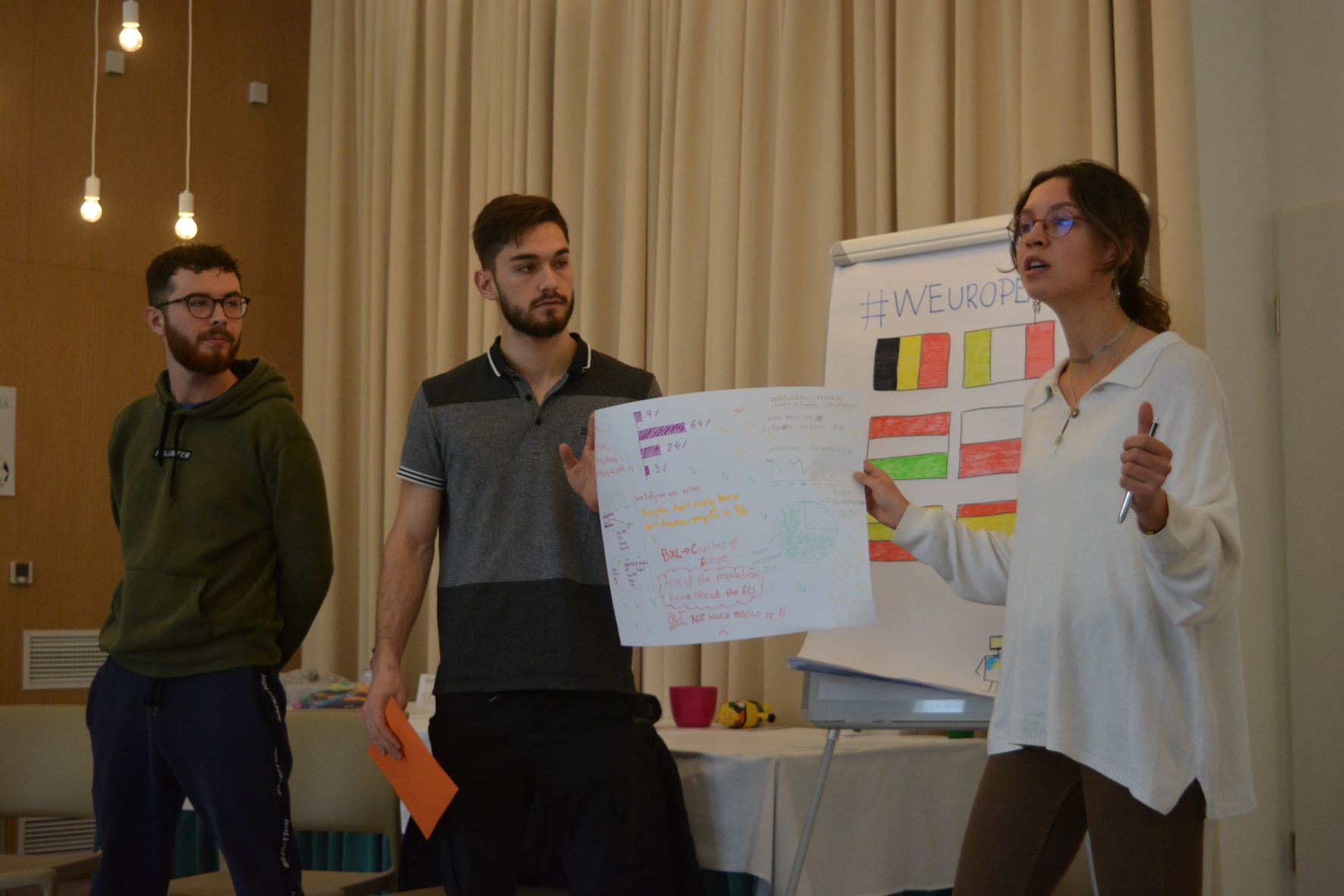


Participants had the opportunity to use their imagination and try to discuss how the world without EU would look like. On the other hand they also tried to predict what would be the future of the European Union. All of that was discussed in smaller groups so that everyone could exchange their knowledge and experiences.


Other interesting method that were used to discuss the topic of European Union was Oxford style debate. Participants were divided into teams of proposition and opposition. There was also audience who could ask questions to the teams. Participants had a certain amount of time to give a speech for or against the thesis (according to which team they were member of).


To balance the seriousness of this method, during the other activities participants could also prepare the role plays connected with the topic of EU.


One of the fun and educative activities during this youth exchange was a trip to Veszprém (European Capital of Culture in 2023). Group participated in the city rally, thanks to which they could get to know more about this beautiful place, and also had some free time to discover it on their own.


Last days of the youth exchange were devoted to evaluation of the whole 9 days meeting and to the activities that would increase the visibility of all the actions connected with the project.
Before the final evaluation participants had the opportunity to think about which competences they developed during the youth exchange and they also discusses what are the differences between formal, non-formal and informal education. All of these things made the learning process more conscious.
This is what Polish participants learned during this project:
I learned what particular countries are famous for, what the accession of new countries to the European Union looks like and what the everyday life before the EU was like. – Adam Mąka
Group work with people of other nationalities; not stressing out when speaking; coping with tougher situations (when you can't get along); – Oliwia Kmieć
Italian gestures; various things about Europe and the European Union; interesting facts about other countries; – Kacper Kowalski
What exactly the EU is; formal English vocabulary related to the EU; habits and interesting facts about other nationalities; – Maciej Bałabuch
The activities of the European Union; the history of the EU; the ability to conduct the Oxford style debate; – Szymon Andrzej Karpiński
Before the final evaluation participants had the opportunity to think about which competences they developed during the youth exchange and they also discusses what are the differences between formal, non-formal and informal education. All of these things made the learning process more conscious.
This is what Polish participants learned during this project:
I learned what particular countries are famous for, what the accession of new countries to the European Union looks like and what the everyday life before the EU was like. – Adam Mąka
Group work with people of other nationalities; not stressing out when speaking; coping with tougher situations (when you can't get along); – Oliwia Kmieć
Italian gestures; various things about Europe and the European Union; interesting facts about other countries; – Kacper Kowalski
What exactly the EU is; formal English vocabulary related to the EU; habits and interesting facts about other nationalities; – Maciej Bałabuch
The activities of the European Union; the history of the EU; the ability to conduct the Oxford style debate; – Szymon Andrzej Karpiński


In the end everyone got their Youthpass certificates and said the last goodbye to others, hoping to meet in the future on the next youth exchanges.